Cold exposure went from a fringe biohacker habit to a mainstream fitness staple in the span of a few years. Every gym influencer has an ice bath in their backyard now, and the claims have gotten loud — fat loss, faster recovery, mental toughness, even longevity. Some of that holds up under research. A lot of it doesn't. Here's the honest breakdown.
What Cold Exposure Actually Does
When you submerge in cold water, your body triggers a cascade of real physiological responses: vasoconstriction (blood vessels narrow to preserve core heat), a spike in norepinephrine, and activation of brown fat tissue. None of that is hype — it's measurable and well-documented. The question isn't whether cold exposure does something. It's whether what it does matches what's being marketed.
Where the evidence is solid
Mood and alertness: the norepinephrine spike from cold exposure produces a real, immediate mental alertness effect — this is the most consistently replicated finding in the research. Mental resilience: voluntarily tolerating discomfort on a schedule has a training effect on stress tolerance that shows up in self-reported measures across multiple studies.
Where the evidence is weaker than the marketing suggests
Muscle recovery after strength training is the big one. Several studies, including research that got significant attention in strength and conditioning circles, found that cold water immersion immediately after resistance training can actually blunt long-term muscle growth adaptations if done too soon after lifting. The anti-inflammatory effect that helps you feel less sore is the same mechanism your body uses to build muscle. Fat loss claims are also overstated — brown fat activation is real, but the calorie burn from a few minutes of cold exposure is a rounding error compared to diet and training.
The Practical Verdict
Cold exposure is worth doing for mental alertness, stress tolerance, and the simple discipline of doing something uncomfortable on purpose every morning. It is not a recovery shortcut after lifting, and it's not a fat loss tool. Use it on rest days or non-lifting days, or wait at least six hours after a strength session if you want to use it the same day.
Getting Started: What You Actually Need
You don't need a $5,000 plunge tank to start. A cold shower for 2-3 minutes does almost everything the research credits to brief cold exposure — it's free, and it's where every credible cold exposure protocol recommends starting before scaling up.
Quick Comparison: Our Top Picks
| Product | Best For | Rating | Price | |
|---|---|---|---|---|
| The Plunge Pod — Portable Ice Bath Tub | Editor's Pick | 4.0 | ~$130 on Amazon | Shop on Amazon → |
| Floating Pool & Spa Thermometer | Useful Add-On | 4.0 | ~$12 on Amazon | Shop on Amazon → |
Cold Shower Protocol — The Free Starting Point
2-3 minutes at the end of your normal shower, water as cold as your tap goes. No purchase needed. Every researcher and cold exposure coach we found agrees: master this before spending money on equipment. If you can't do this consistently for two weeks, a plunge tank won't fix that.
Once cold showers feel manageable and you want to go further, a portable ice bath is the next step up — full-body immersion without the cost or plumbing of a dedicated cold plunge tank.

The Plunge Pod — Portable Ice Bath Tub
Inflatable, full-body cold plunge tub that sets up in a backyard, garage, or apartment balcony in minutes. Holds water and ice for a real cold immersion session without the cost of a chiller unit. Foldable for storage — the realistic entry point before committing to a powered system.
For guys who want a thermometer-precise approach without guessing how much ice to buy every session, a simple floating tub thermometer takes the guesswork out of hitting a consistent, repeatable temperature.
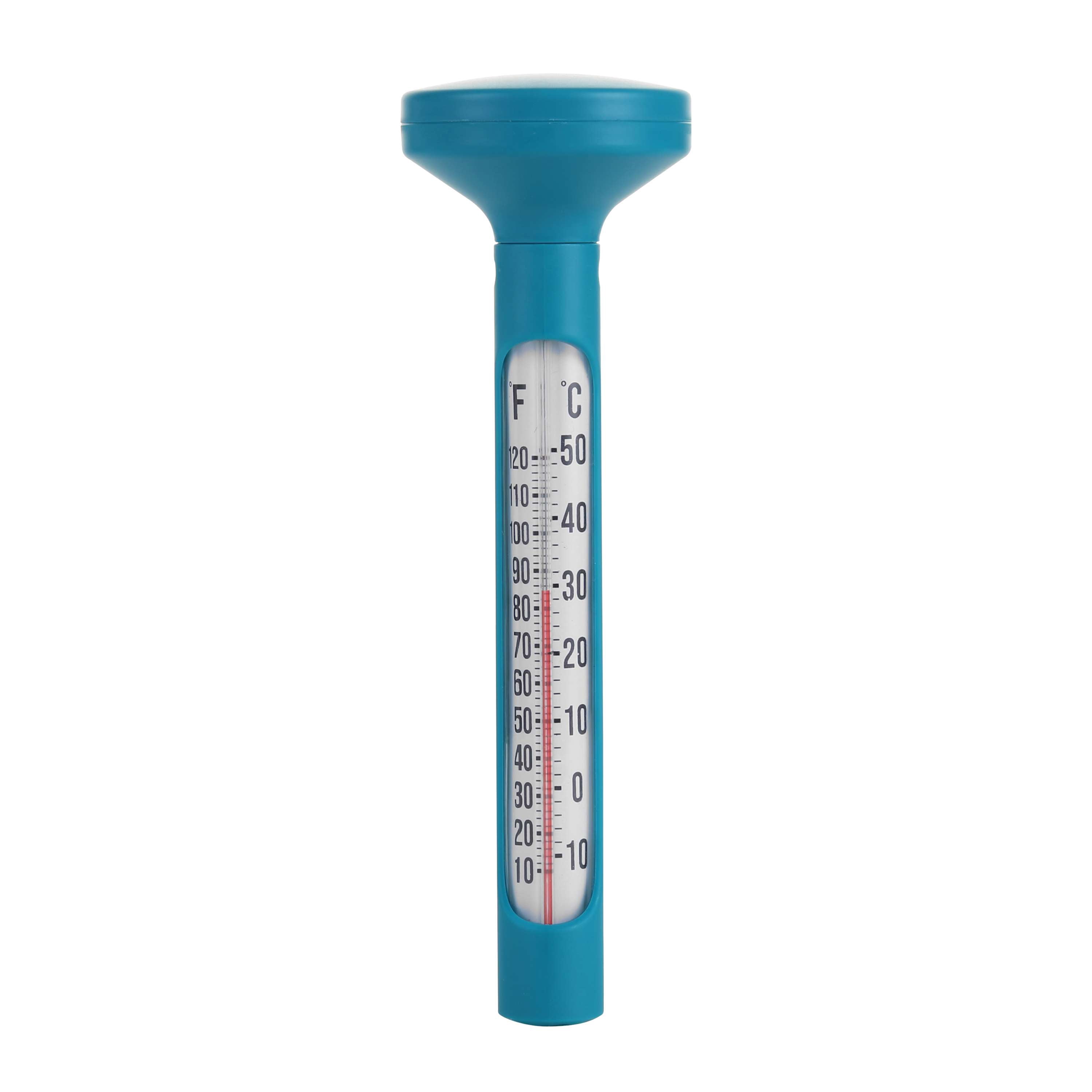
Floating Pool & Spa Thermometer
Lets you track and repeat a consistent temperature instead of guessing with ice cube counts. Most cold exposure research uses water in the 50-59°F range — this is the cheapest way to know you're actually hitting it.
Quick Reference — How to Start
Avoid cold exposure within 6 hours of a strength training session if muscle growth is your priority. Use it on rest days, or for the mental and alertness benefits alone.
Frequently Asked Questions
How cold does the water need to be?
Most research protocols use 50-59°F (10-15°C). Colder isn't automatically better — it just becomes harder to tolerate for the 2-3 minutes that actually matter.
How long should a session last?
2-3 minutes is enough to trigger the measurable physiological responses. Beyond that, you're mostly testing willpower, not adding benefit.
Is it safe to do every day?
For healthy adults, yes. If you have a cardiovascular condition, talk to a doctor first — the vasoconstriction response puts a real, temporary load on your heart and blood pressure.