The running shoe market in 2026 is better and more confusing than it's ever been. Carbon fiber plates, nitrogen-infused foam, rocker geometry, stack heights that would have been considered extreme five years ago — the technology is genuinely impressive, but it also makes it harder to know what you actually need.
The answer depends on one question: what are you actually doing? A daily trainer for casual 5K runs is a completely different shoe than a carbon-plated racer for marathon PR attempts. Here's the breakdown by use case — five picks that cover the full range, all available on Amazon.
#1 Editor's Pick: Brooks Ghost 16
The Brooks Ghost has been the best-selling running shoe in America for multiple consecutive years — not because of aggressive marketing, but because it reliably fits more feet, suits more running styles, and holds up longer than nearly anything else in its price range. The Ghost 16 refines the formula with updated DNA Loft v2 cushioning that's softer underfoot without sacrificing responsiveness. It's neutral, versatile, and works equally well for road running, treadmill work, and casual everyday wear. Runner's World, Running Magazine, and virtually every major running media outlet named it a top daily trainer pick for 2026. If you're buying one running shoe this year, this is the safe, proven choice.
Quick Comparison: Our Top Picks
| Product | Best For | Rating | Price | |
|---|---|---|---|---|
| Brooks Ghost 16 Men's Running Shoe | Editor's Pick | 5.0 | ~$140 on Amazon | Shop on Amazon → |
| Nike Air Zoom Pegasus 41 Men's Road Running Shoe | Best Speed Trainer | 5.0 | ~$145 on Amazon | Shop on Amazon → |
| Hoka Speedgoat 5 Men's Trail Running Shoe | Best Trail Shoe | 5.0 | ~$155 on Amazon | Shop on Amazon → |
| ASICS Gel-Kayano Lite 3 Men's Running Shoe | Best Budget | 4.0 | ~$70 on Amazon | Shop on Amazon → |
| Adidas Adizero Boston 12 Men's Running Shoe | Best Racer | 5.0 | ~$160 on Amazon | Shop on Amazon → |
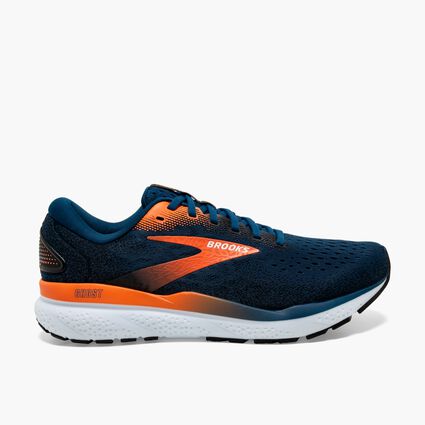
Brooks Ghost 16 Men's Running Shoe
DNA Loft v2 cushioning — soft but not mushy. Neutral fit with roomy toe box. Segmented crash pad for smooth heel-to-toe transitions. 12mm drop — works for heel strikers and midfoot strikers. Durable outsole rated for 300-500 miles. The most universally recommended everyday running shoe across all major running publications. Available in 20+ colorways on Amazon.
#2 Best Speed Shoe: Nike Pegasus 41
For guys who want a shoe that handles daily miles but can also pick up the pace for tempo runs and 5K efforts, the Nike Pegasus 41 is the answer. The Peg has been Nike's workhorse running shoe for over 40 years, and the 41 iteration introduces ReactX foam — Nike's most responsive midsole compound — without adding significant weight. It's faster-feeling than the Ghost without being a dedicated race shoe, making it the ideal one-shoe solution for runners who want versatility with a performance edge. The Air unit in the heel adds impact protection on longer runs.

Nike Air Zoom Pegasus 41 Men's Road Running Shoe
ReactX foam midsole — 13% more energy return than standard React. Air Zoom unit in forefoot for snappy toe-off. Engineered mesh upper for breathability. 10mm drop. Versatile enough for easy days, responsive enough for tempo work. The Nike running shoe that's held the title of best all-around road trainer for four consecutive years. One of the top-selling running shoes on Amazon by volume.
#3 Best Trail Running Shoe: Hoka Speedgoat 5
If you run on dirt, gravel, technical terrain, or any surface that isn't pavement, trail-specific shoes aren't optional — they're essential. Road shoes on trails wear out fast, provide inadequate grip, and offer no rock protection. The Hoka Speedgoat 5 is the trail running shoe that consistently tops every major trail running publication's rankings — beloved by ultramarathon runners for its exceptional cushioning on long technical terrain, aggressive Vibram Megagrip outsole, and protective rock plate. It's not light, but for anything beyond fire roads it's the most capable shoe in this guide.
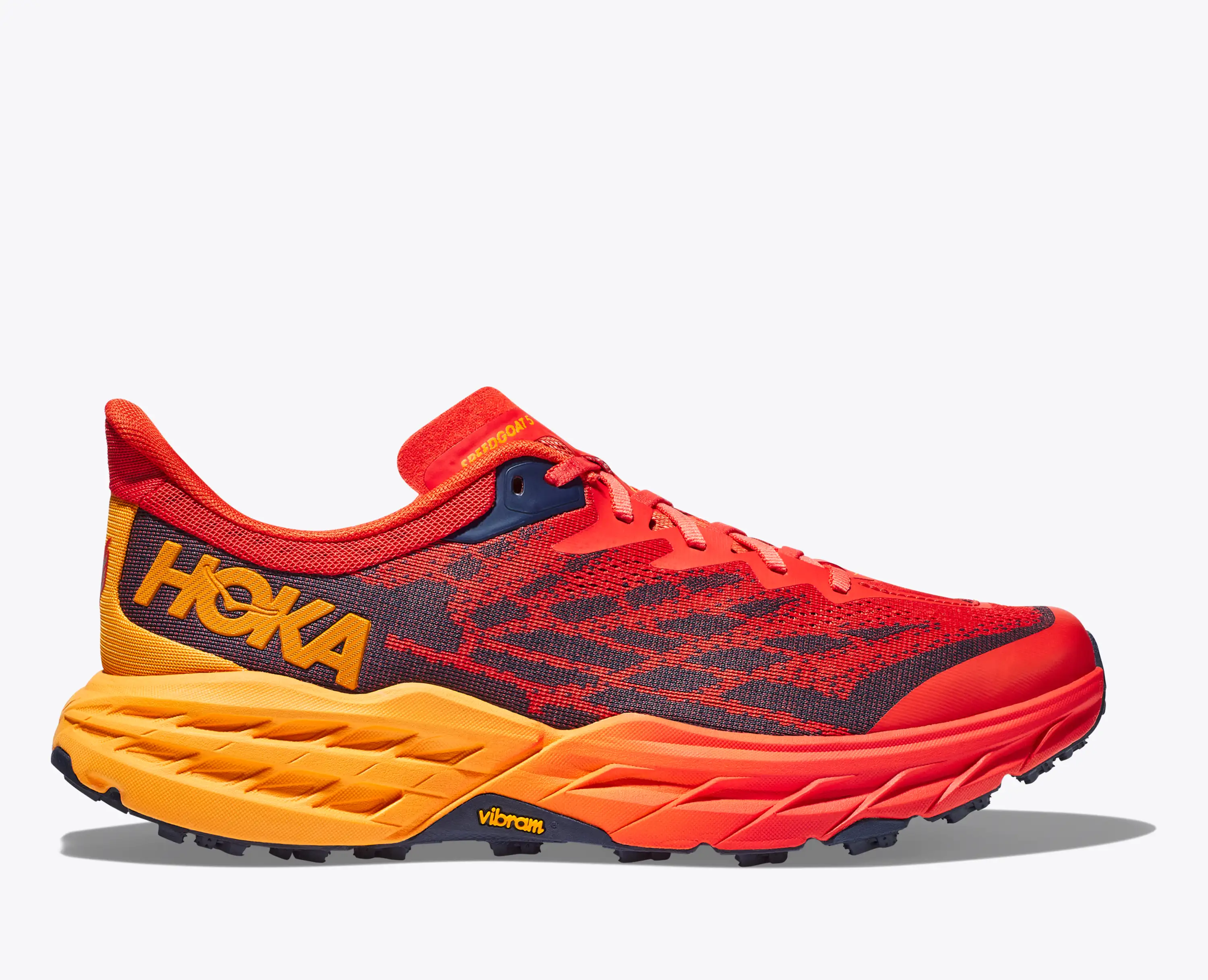
Hoka Speedgoat 5 Men's Trail Running Shoe
Vibram Megagrip outsole with 5mm lugs — exceptional traction on wet and dry terrain. EVA rock plate protects against sharp rocks and roots. Maximum cushioning Hoka midsole for long-distance comfort. 4mm drop — promotes natural foot strike on uneven terrain. The go-to trail shoe for runners from beginner hikers to ultramarathon competitors. Holds up to significant mileage on technical terrain.
#4 Best Budget Running Shoe: ASICS Gel-Kayano Lite 3
Not everyone needs to spend $140+ on a running shoe. The ASICS Gel-Kayano Lite 3 delivers genuine running shoe performance — real GEL cushioning technology, durable outsole rubber, and a supportive upper — at around $70. It's the pick for casual runners who log 10-15 miles per week and don't need the premium foam compounds that justify the higher prices of the top picks. ASICS has been making reliable running shoes for decades and the Lite series maintains their quality standards at an accessible price. Good for beginners, gym use, and light outdoor runs.

ASICS Gel-Kayano Lite 3 Men's Running Shoe
ASICS GEL technology cushioning in heel and forefoot. Supportive overlays for stability. Durable AHAR rubber outsole. Breathable mesh upper. 10mm drop. The honest budget running shoe — not the flashiest, but built by a brand with a long track record of reliable footwear. Ideal for casual runners, gym cardio, and everyday wear who don't want to invest heavily in their first pair.
#5 Best Carbon Plate Racer: Adidas Adizero Boston 12
If you're training for a race and want performance footwear without paying the $250+ premium of dedicated super shoes like the Adidas Adizero Adios Pro or Nike Vaporfly, the Adizero Boston 12 is the smart choice. It features a partial carbon fiber plate (called the Carbitex plate) and Adidas's Lightstrike Pro foam — the same materials as their elite race shoes, in a more durable and affordable package. It's fast, responsive, and significantly lighter than daily trainers. Use it for long runs, tempo work, and race day. Not ideal for recovery runs — save those for the Ghost or Pegasus.
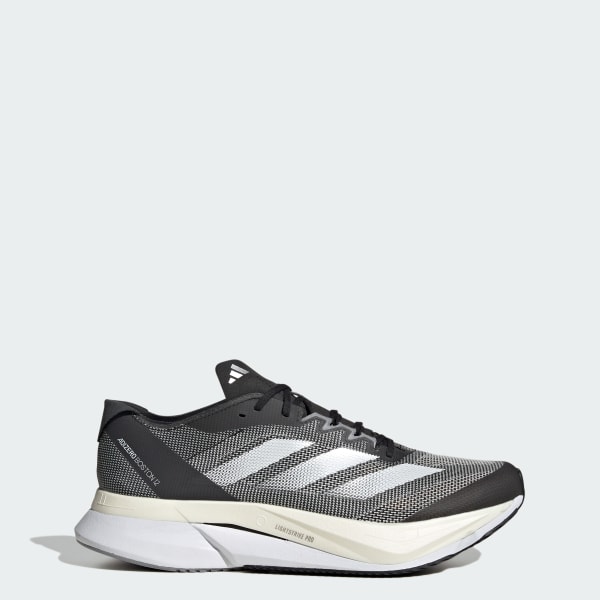
Adidas Adizero Boston 12 Men's Running Shoe
Carbitex partial carbon fiber plate for propulsive toe-off. Lightstrike Pro foam — the same compound used in Adidas's elite race shoes. Continental rubber outsole for wet and dry grip. 8mm drop. Significantly lighter than daily trainers. The race-capable shoe for serious runners who don't want to pay super-shoe prices. Works for half marathon and marathon race day, tempo sessions, and long runs at goal pace.
All 5 Picks at a Glance
Midsole foam breaks down long before the outsole shows visible wear. Most runners keep shoes too long — degraded cushioning is a leading cause of running-related injuries. Track your mileage and replace on schedule, not on appearance.
How to Choose the Right Running Shoe
Know your gait
Overpronators (foot rolls inward) benefit from stability or motion control shoes. Neutral runners can wear any shoe type. Supinators (foot rolls outward) need neutral, well-cushioned shoes. If you're unsure, visit a running specialty store for a free gait analysis — most will do it without a purchase requirement.
Stack height and drop
Drop is the height difference between heel and forefoot. High drop (10-12mm) suits heel strikers and provides a traditional feel. Low drop (0-6mm) promotes a more natural midfoot strike and takes getting used to. Don't make a dramatic drop change quickly — transition gradually to avoid Achilles and calf strain.
Fit considerations
Running shoes should fit with a thumb's width of space at the toe — your foot swells during runs. Width matters as much as length. If your toes feel cramped, size up or try a wide variant. Most major brands offer wide fits on Amazon.
One shoe vs. shoe rotation
Rotating two pairs of running shoes extends the life of both — foam needs 24-48 hours to fully decompress between runs. A daily trainer and a lighter speed shoe is the most common two-shoe rotation for runners logging 20+ miles per week.
Related gear
A good gym bag to carry your running shoes makes a real difference. See our best gym bags for men 2026 guide for the top picks. And if you're also lifting, our best training shoes guide covers dedicated lifting footwear.