The fitness tracker market has quietly split into three very different categories, and most buying guides still treat them as one thing. There's the all-day activity band that just wants to log your steps and sleep. There's the screenless recovery tool built for guys who train hard and need to know when to push and when to back off. And there's the full smartwatch that happens to track fitness as one feature among many.
Buying the wrong category is why so many trackers end up in a drawer after three weeks. Here's the breakdown by actual use case — five picks that cover the range, all available on Amazon.
#1 Best Overall: Fitbit Charge 6
For most guys who want solid tracking without turning their wrist into a second phone, the Fitbit Charge 6 is still the right call. It nails the basics: accurate heart rate, built-in GPS so you don't need your phone on runs, and a battery that lasts a full week instead of a single day. The Google integration adds turn-by-turn directions and YouTube Music controls, which sounds minor until you're using it on a run. It's the tracker that does everything reasonably well instead of one thing exceptionally well, and for most people that's exactly the right tradeoff.
Quick Comparison: Our Top Picks
| Product | Best For | Rating | Price | |
|---|---|---|---|---|
| Fitbit Charge 6 Fitness Tracker | Editor's Pick | 5.0 | ~$100 on Amazon | Shop on Amazon → |
| WHOOP 5.0 One — Health & Fitness Tracker | Best for Athletes | 4.0 | ~$199 with 12-mo. membership | Shop on Amazon → |
| Garmin Vivoactive 6 GPS Smartwatch | Best Garmin | 5.0 | ~$300 on Amazon | Shop on Amazon → |
| Amazfit Helio Strap | Best Budget | 4.0 | ~$100 on Amazon | Shop on Amazon → |
| Apple Watch SE 3 (GPS, 40mm) | Best Smartwatch | 4.0 | ~$249 on Amazon | Shop on Amazon → |

Fitbit Charge 6 Fitness Tracker
Built-in GPS, accurate 24/7 heart rate, up to 7 days of battery life. Google Maps and YouTube Music integration. Stress management score and sleep staging. Streams heart rate directly to compatible gym equipment. The most well-rounded tracker for guys who want real data without a subscription that costs more than the device.
#2 Best for Serious Training: Whoop 5.0
If you're training with real intent — structured programming, competitive events, or you just want to know exactly how hard your body worked yesterday — Whoop is built for that question specifically. There's no screen, which sounds like a limitation until you realize the whole point is to stop checking your wrist mid-set. Instead you get a strain score, recovery score, and sleep breakdown delivered to your phone, built to answer one question every morning: should you push today or pull back. The subscription is a real cost to factor in, but for athletes who take recovery seriously, it's the most detailed tool on this list.
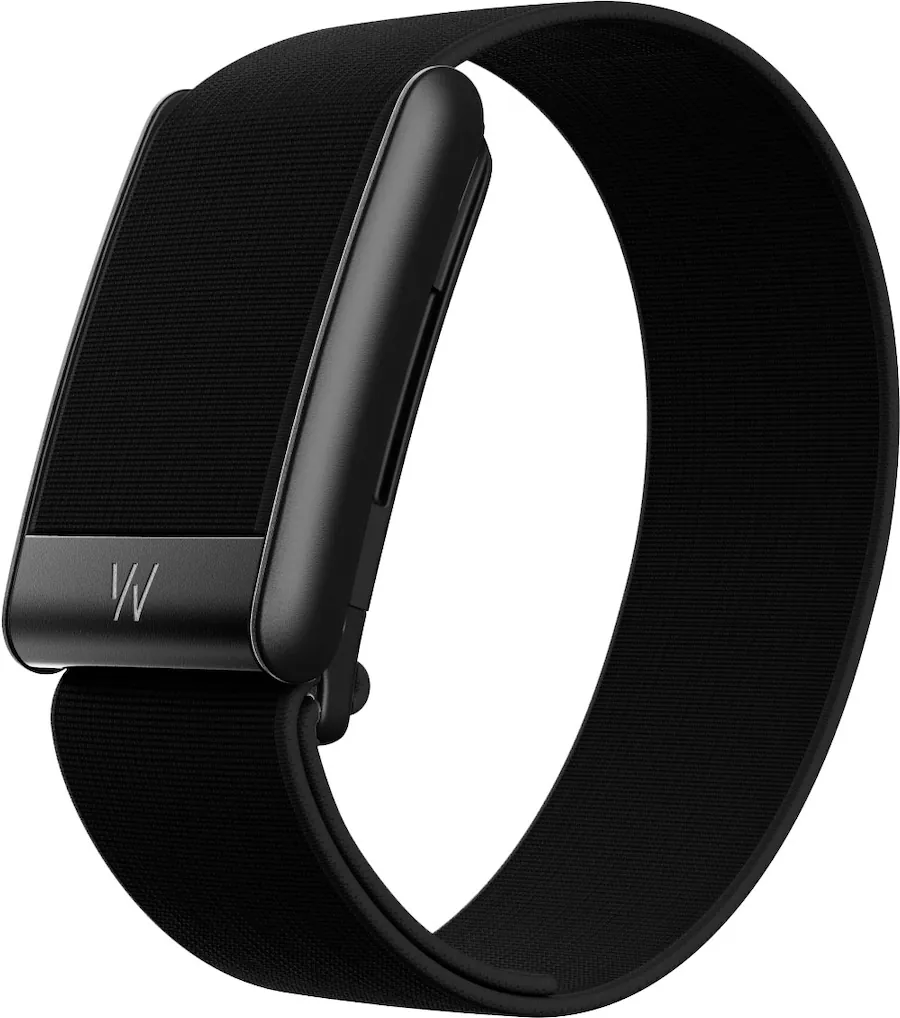
WHOOP 5.0 One — Health & Fitness Tracker
Continuous strain and recovery scoring on a 0-21 scale. Screenless, lightweight band designed to be worn 24/7 without noticing it. Detailed sleep staging and HRV tracking. Requires a 12-month membership included with purchase, renewing annually after. The deepest recovery data of anything in this guide, built for guys who train like it's their job.
#3 Best Garmin: Garmin Vivoactive 6
Garmin built its name on serious athletes and it shows. The Vivoactive 6 hits the sweet spot between a dedicated fitness watch and something you'd actually wear to dinner, with training load, recovery time, and VO2 Max estimates baked into an interface that doesn't require a manual to understand. If you already lean on Garmin Connect or want a single device that handles running, lifting, and everyday wear without complaint, this is the one. No subscription required, which matters more than it sounds like once you compare the math against a year of Whoop membership.

Garmin Vivoactive 6 GPS Smartwatch
Built-in GPS, training readiness and VO2 Max estimates, 8GB storage for offline music. Full smartwatch features layered on top of Garmin's training metrics. No subscription required for core features. Understated design that works for the gym and everyday wear equally well.
#4 Best Budget Pick: Amazfit Helio Strap
Whoop's screenless format is genuinely useful, but the annual fee is a real barrier for a lot of guys who just want the same idea without the ongoing cost. The Amazfit Helio Strap covers the same ground — all-day recovery and strain tracking in a lightweight, arm-worn band — with no subscription attached. It's not going to match Whoop's algorithm depth, but for under $100 it delivers the core insight most people actually use: is your body recovered enough to train hard today. Up to 10 days of battery life means you're not thinking about it either.

Amazfit Helio Strap
Screenless recovery band with no membership required. Up to 10 days of battery life. Continuous heart rate, sleep tracking, and BioCharge energy scoring. Arm-worn design for more stable readings during strength training. The honest budget alternative to Whoop, built for guys who want the format without the recurring cost.
#5 Best Smartwatch Hybrid: Apple Watch SE 3
If you're an iPhone guy and you want one device that handles fitness tracking, notifications, and everything else a smartwatch does, stop looking. The Apple Watch SE 3 gives up a few of the higher-end sensors from the Ultra line but keeps everything that actually matters day to day: accurate heart rate, GPS, sleep apnea notifications, and the deepest third-party app ecosystem of anything here. It's not a dedicated fitness tool the way Whoop or Garmin are, but for guys who don't want to wear two devices, it's the clear answer.
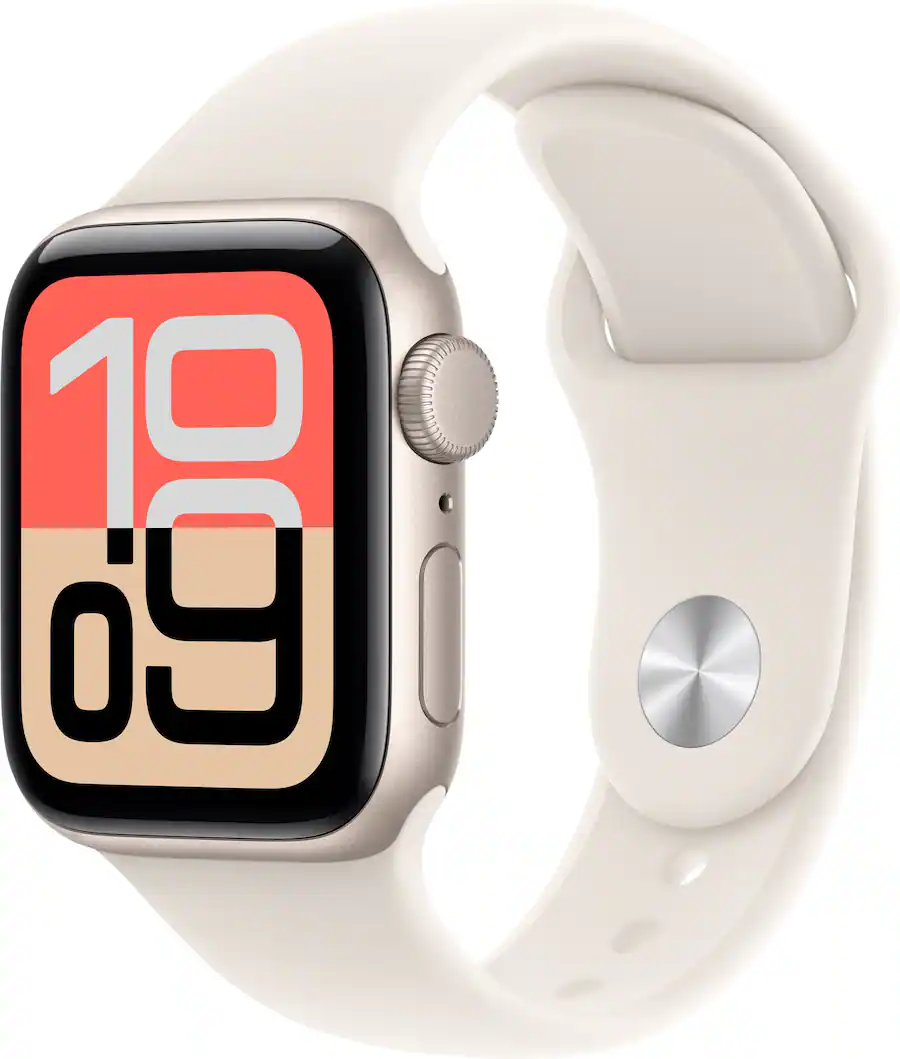
Apple Watch SE 3 (GPS, 40mm)
Built-in GPS, heart rate and sleep tracking, sleep apnea notifications, Always-On display. Full smartwatch functionality including notifications, apps, and Apple Pay. Requires an iPhone to set up and use. The best option for guys who want one device instead of a phone and a dedicated tracker.
All 5 Picks at a Glance
Everything else — brand, price, features — comes after that. A screen means you check data mid-workout and get notifications on your wrist. Screenless means the device disappears and the insight shows up on your phone afterward. Most guys who quit wearing a tracker quit because they picked the wrong format for how they actually want to interact with it, not because the data was bad.
How to Choose the Right Fitness Tracker
Decide what you're actually trying to fix
Want to move more during the day? A basic activity band is enough. Training for a race or lifting seriously? You need GPS and heart rate zones. Chronically undertrained or overtrained? Recovery-focused tools like Whoop or a screenless strap answer that specific question better than anything else.
Factor in the subscription math
Whoop's membership renews annually after the included first year. Over three years that's more than a Garmin Vivoactive 6 outright. Run the real cost before deciding, not just the sticker price of the device.
Battery life determines whether you'll actually wear it
Anything under 5 days of battery life becomes a charging chore, and charging chores are how trackers end up in a drawer. Screenless bands and the Fitbit Charge line both clear a week. Full smartwatches rarely do.
Ecosystem matters more than people think
Apple Watch only works fully with an iPhone. Garmin, Fitbit, and Amazfit work across both iOS and Android. If you're on Android, cross the Apple Watch off the list immediately regardless of how good the reviews are.
Related gear
If you're building out a full recovery routine, our best massage guns for recovery guide covers the tools that pair well with the data these trackers give you. And if running is part of your training, see our best running shoes for men guide for picks that hold up to real mileage.